Energy
Marape and Chinese firm Houpo discuss turning Western Province gas into fuel
Prime Minister James Marape has held talks with China's Houpo Clean Energy Group on a plan to produce petrol, diesel and jet fuel from natural gas in Western Province.
By PNG Sun · · 2 min read
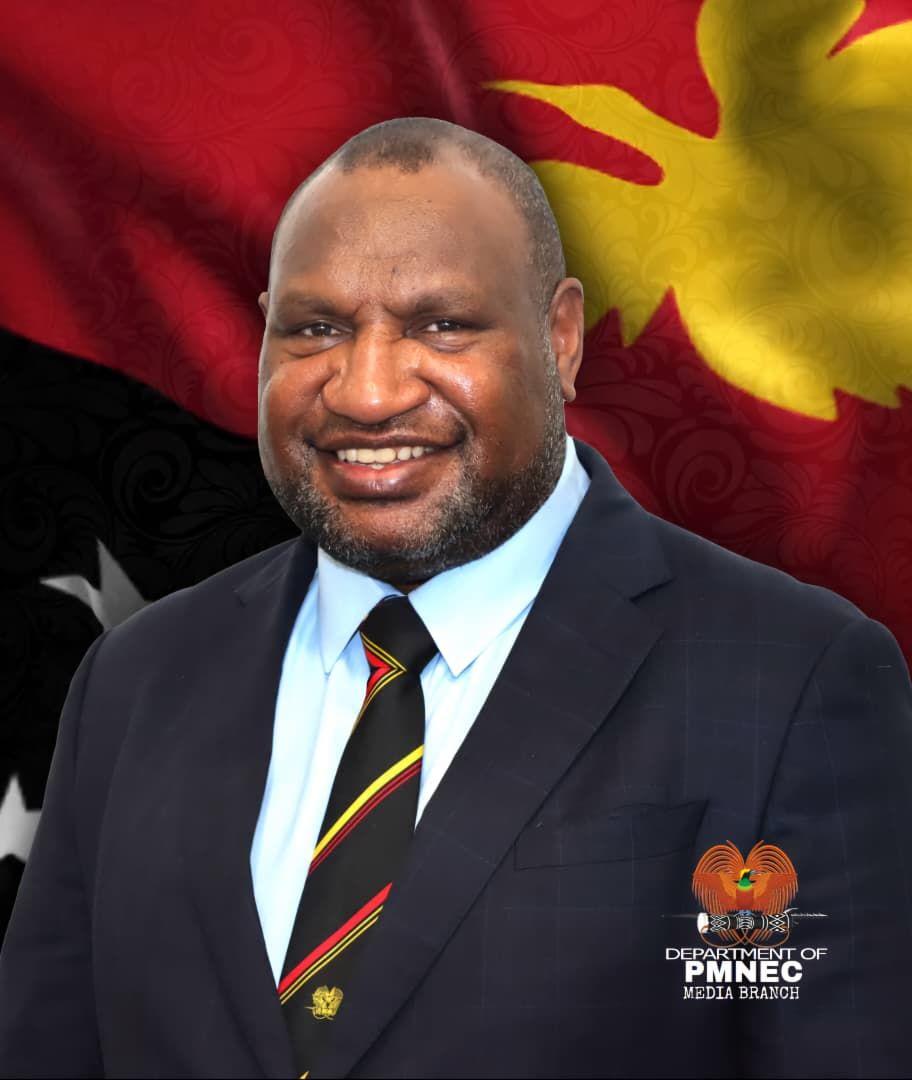
Prime Minister James Marape has held talks with China's Houpo Clean Energy Group Co. Ltd on a plan to turn natural gas in Western Province into petrol, diesel and Jet A-1 fuel for aircraft.
Mr Marape met the company's chairman, Wang Jiwen, on 18 November during the 33rd APEC Leaders' Week. Under the proposed gas-to-liquids project, fuel would go to the domestic market first. Exports would be looked at as output grows.
Houpo is one of the partners in Petroleum Development Licence 10, the licence covering the Stanley Gas Field. The talks focused on refining fuel locally using gas from Stanley and other sources in the country.
Mr Marape also raised the option of drawing gas from Papua LNG's five per cent Domestic Market Obligation and from smaller fields. Any supply deal would still need more assessment and agreement.
The project would be built in stages. It would start with feasibility studies on gas supply, technology, costs, demand and commercial viability. Plants for processing, storage and distribution would come later, depending on funding, regulatory approval and a final investment decision.
Mr Marape said the plan matched government policy on domestic processing, energy security and skilled jobs. He asked that landowners, affected communities, local businesses and provincial and central government authorities be consulted as it moves ahead.
The Independent Consumer and Competition Commission has said imports met 87 per cent of the country's diesel, petrol and kerosene needs from 2019 to 2022. National Statistical Office figures show petroleum oils were the country's most valuable import in 2024, at about K2.9 billion.
Early talks have mentioned between 1,500 and 2,000 possible jobs. Those numbers, and output estimates, will depend on the feasibility work and on a development plan being approved.
The government said tax breaks, equity stakes or other support for the project would have to be formally considered and approved under the country's laws. No investment decision or promise of incentives came out of the meeting.