Country guide
Papua New Guinea in brief: people, government and provinces
Papua New Guinea has about 11 million people, roughly 840 languages and 22 provinces. This guide sets out the basic facts about the country.
By PNG Sun · · 4 min read
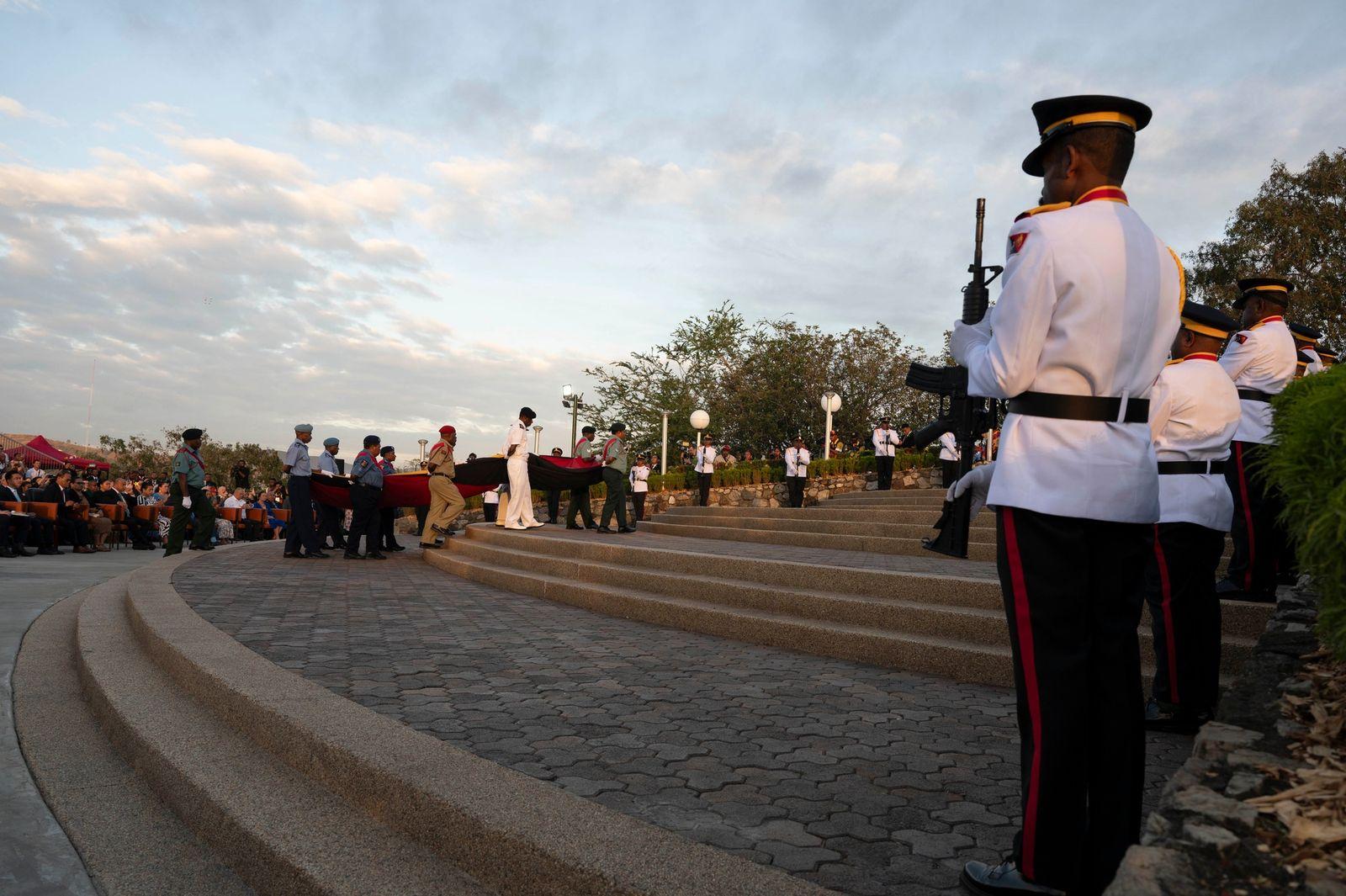
Papua New Guinea covers the eastern half of the island of New Guinea and about 600 smaller islands. It is the largest and most populous country in the Pacific Islands region.
The basics
- Capital: Port Moresby, in the National Capital District.
- Independence: 16 September 1975, from Australia. The country marked 50 years in 2025.
- Population: about 10.9 million. Estimates vary because the last full census count is disputed.
- Area: about 463,000 square kilometres.
- Currency: the kina (PGK), divided into 100 toea.
How it is governed
Papua New Guinea is a parliamentary democracy and a Commonwealth realm. King Charles III is head of state and is represented by a Governor-General. The National Parliament has a single chamber, and the Prime Minister leads the government. James Marape has been Prime Minister since 2019. The next general election is due in 2027.
Languages and people
Around 840 living languages are spoken, more than in any other country. Tok Pisin is the most widely used. English is the language of government and schools, and Hiri Motu is spoken mainly along the southern coast. More than 80 per cent of people live in rural areas.
The land
A spine of mountains runs through the mainland. Mount Wilhelm is the highest point at 4,509 metres. The Sepik and the Fly are the longest rivers. The country sits on the Pacific Ring of Fire, so earthquakes and volcanic eruptions are common.
The provinces
There are 22 province-level areas in four regions: Highlands, Momase, Islands and Southern. They include the National Capital District and the Autonomous Region of Bougainville.